THE other day I got to try out a real technological groundbreaker – but it wasn’t a car.
Nope, I was playing Pong on an Atari – it wasn’t the first computer game, but it was the one that really caught the world’s attention. It seems weird to think that in 1972 playing a crude electronic representation of table tennis was at the cutting edge of killing time with a friend, but we wouldn’t have got to Angry Birds and Grand Theft Auto V without it.
On the way home from toying with Atari’s finest – and having a nostalgic test drive of Super Mario Kart on 1992’s Super Nintendo while I was at it – I overtook what I reckon must be the motoring world’s Pong on the motorway.
Time really hasn’t done the original Toyota Prius any favours. In the same way the Atari looks impossibly simple in a world where you download slick games straight to your smartphone, the original Prius looks positively prehistoric next to say, a Focus or an Astra of the same era. Then again, that’s the price you pay for being first out of the blocks with something new.
The Prius might look gawky now but it offered us the first chance to drive something other than a straightforward petrol or diesel – a hybrid - and it paved the way for today’s BMW i8s, Vauxhall Amperas, ‘h’-badged Lexus limousines and KERS-assisted Ferraris. Toyota now offers six different hybrids of its own, including a third-generation Prius that’s a lot more Call of Duty than Pacman.
But Toyota isn’t prepared to leave it at that. For as long as anyone can remember it’s been perpetually locked in a technological arms race with Honda, and both reckon the next big thing is fuel cells. In a nutshell, cars that can refill in an instant with hydrogen, somehow make it into electricity without any need to cue the Pathé newsreel of the Hindenberg disaster and then tootle along leaving only water vapour in their wake.
Honda’s already been at in the States with the FCX Clarity, and now Toyota’s taken a tentative leap into the British market with the Mirai.
The Japanese giant is playing it cautious – perhaps not surprisingly, given the £56k price tag and the almost non-existent hydrogen fuel network here at the moment – and you can tell by its slightly edgy styling that it’s going to be another machine that’ll date horrifically.
Chances are you won’t be ordering one of the first cars off to roll off the boat this month – not when it costs nearly twice the price of a Range Rover Evoque – but you’d be a fool to bet against it.
Toyota and Honda are bankrolling fuel cell cars, and they’ll be everywhere in 15 years’ time. The Mirai will look crude in no time, but the revolution’s got to start somewhere.
Showing posts with label electric. Show all posts
Thursday, 20 August 2015
Friday, 19 June 2015
The inconvenient truth about electric car sales
HERE’S some shocking news you probably weren’t expecting – sales of electric cars have gone through the roof!
That’s the message from the Department for Transport, which is proudly trumpeting the fact that sales of what it calls Ultra Low Emissions Vehicles are up 366 per cent from this time last year. That’s plain English for not only the likes of Nissan’s LEAF, which run on electricity alone, but plug-in hybrids like Toyota’s Prius, which lace the eco-friendly cocktail with a spot of petrol power to spice longer journeys up a bit. It’s a huge rise, which is why the Government’s just committed to chucking half a billion quid at boosting ULEV sales.
But – surprise, surprise – there’s a catch. Dig a little harder into the figures Whitehall would rather you didn’t read and it turns out it’s not quite the miracle you’d think.
Yes, sales of the sort of eco-friendly offerings that get Whitehall’s official stamp of approval – and for that, you need fewer than 75g of carbon dioxide to escape from your tailpipe, or preferably none at all – are three times what they were a year ago. In the first four months of this year, Britain took 9,046 of them to its bosom. To put that into context, the total for all vehicles – cars, vans, buses, bikes, the lot – was 872,000. In other words, even with the huge surge in popularity the eco-friendly ones the Government’s so keen to push make up barely one per cent of the total.
It’d be tempted to sign off in the same way my Maths teacher used to when I tried to pull a statistical fast one – a terse ‘must try harder’ – but that’d be skipping an even more inconvenient truth. You shouldn’t dismiss the eco-friendly offerings as sales also-rans, because they’re getting ever better.
The prototype electric MINI I remember driving five years ago – which had batteries so enormous they took up the back seat area and made the whole car feel weirdly leaden – has evolved into the brilliant BMW i3 and its i8 supercar sibling, the latter of which surely qualifies as the first truly cool plug-in hybrid. The Nissan LEAF might not be my cup of tea but you can’t fault its ability to do humdrum hatchback things on volts alone. Best of all, the pub argument credentials for my favourite electric car – the mildly wacky Renault Twizy – has been strengthened by the fact Sir Stirling Moss has recently bought one. Oh, and it’s mid-engined, rear-wheel-drive and tuned by the same people who do the Renaultsport Clio.
If you’re seriously thinking of getting a ULEV, don’t do it because it ticks the bureaucratic boxes. Do it because – once you get past the environmental flim-flam – some of them are actually really good. That’s the real shock behind the sales figures.
That’s the message from the Department for Transport, which is proudly trumpeting the fact that sales of what it calls Ultra Low Emissions Vehicles are up 366 per cent from this time last year. That’s plain English for not only the likes of Nissan’s LEAF, which run on electricity alone, but plug-in hybrids like Toyota’s Prius, which lace the eco-friendly cocktail with a spot of petrol power to spice longer journeys up a bit. It’s a huge rise, which is why the Government’s just committed to chucking half a billion quid at boosting ULEV sales.
But – surprise, surprise – there’s a catch. Dig a little harder into the figures Whitehall would rather you didn’t read and it turns out it’s not quite the miracle you’d think.
Yes, sales of the sort of eco-friendly offerings that get Whitehall’s official stamp of approval – and for that, you need fewer than 75g of carbon dioxide to escape from your tailpipe, or preferably none at all – are three times what they were a year ago. In the first four months of this year, Britain took 9,046 of them to its bosom. To put that into context, the total for all vehicles – cars, vans, buses, bikes, the lot – was 872,000. In other words, even with the huge surge in popularity the eco-friendly ones the Government’s so keen to push make up barely one per cent of the total.
It’d be tempted to sign off in the same way my Maths teacher used to when I tried to pull a statistical fast one – a terse ‘must try harder’ – but that’d be skipping an even more inconvenient truth. You shouldn’t dismiss the eco-friendly offerings as sales also-rans, because they’re getting ever better.
The prototype electric MINI I remember driving five years ago – which had batteries so enormous they took up the back seat area and made the whole car feel weirdly leaden – has evolved into the brilliant BMW i3 and its i8 supercar sibling, the latter of which surely qualifies as the first truly cool plug-in hybrid. The Nissan LEAF might not be my cup of tea but you can’t fault its ability to do humdrum hatchback things on volts alone. Best of all, the pub argument credentials for my favourite electric car – the mildly wacky Renault Twizy – has been strengthened by the fact Sir Stirling Moss has recently bought one. Oh, and it’s mid-engined, rear-wheel-drive and tuned by the same people who do the Renaultsport Clio.
If you’re seriously thinking of getting a ULEV, don’t do it because it ticks the bureaucratic boxes. Do it because – once you get past the environmental flim-flam – some of them are actually really good. That’s the real shock behind the sales figures.
Tuesday, 13 January 2015
Nissan LEAF leads electric car sales charge
SALES of electric cars more than doubled in 2014 compared to
the previous year, new figures from the Society of Motor Manufacturers and
Traders reveal.
Among the biggest sellers are Nissan’s LEAF and Vauxhall’s
Ampera, but even at current rates the electric vehicles still only account for
one in every 220 new cars sold in the UK.
Sunday, 1 December 2013
Nissan LEAF now easier than ever to own
NISSAN is aiming to make ownership of its electric cars a
little less shocking with a series of new incentives.
Anyone looking to buy its zero-emissions LEAF hatchback can
now recharge their car for free at any of its dealerships, borrow a petrol or
diesel car for up to a fortnight if they need one, and get free a European
breakdown and recovery package if they get into trouble.
"The pledge to offer LEAF owners a free diesel or petrol Nissan for up to 14 days a year is particularly revolutionary. It means LEAF drivers can enjoy the many benefits of LEAF ownership, such as running costs of just two pence per mile, on their normal daily commute and then, when they’re going on holiday or have a longer trip to make, borrow a car that’s more appropriate to their journey."
The scheme, called the Nissan CARE-EV Leaf Customer Commitment Scheme, is aimed at helping eco-conscious motorists overcome the uncertainties they face when buying an electric car for the first time.
Nissan has sold the LEAF here since 2011, and earlier this year started building the zero-emissions hatchback at its UK plant in Sunderland.
The offer is available at all 205 of Nissan’s dealerships across the UK.
Friday, 5 April 2013
Electric shock for Renault over battery leasing quarrel
SUPPOSE for a moment, you’re on the verge
of buying a secondhand Clio. It comes stashed with service history, it’s in
great condition and mileage-wise it’s still got plenty of life left in it, but
as you settle on the price it seems there’s a snag.
“Oh, you want the engine as well, sir?” the
salesman enquires politely. “Sorry, you have to pay extra for that.”
Understandably, you’d be pretty miffed if
you had to pay extra to have the privilege of having something to propel your
pride and joy, and that’s exactly why used car gurus CAP have had a bit of a
falling out with Renault lately. They’re refusing to give secondhand values for
the French firm’s range of electric vehicles… …because anyone who buys one has
to lease the batteries separately.
Martin Ward, CAP’s
manufacturer relationship manager, said: “We have every confidence in the
quality and reliability of the Renault Zoe. We have seen it, driven it, lived
with it and its 90 mile range means it definitely has a place in fleets for
shorter range driving purposes.
“But until Renault
removes the unnecessary layer of complexity caused by treating the battery as a
separate entity to the car CAP will be unable to forecast its used values so
fleets can work out competitive lease rates. In our opinion it is now time for
Renault to give some great electric vehicles they have worked hard to develop
and refine a real chance in the company car market by abandoning its ‘battery
not included’ policy.”
I’ve driven by far the
quirkiest of Renault’s electric offerings, the two-seater Twizy, and stand by
my original verdict that it’s brilliant. In fact, I loved it so much that – and
I don’t do this often – seriously thought about buying one as a fun, frugal
commuter car to go to work in, but it was the very fact you have to lease the
batteries separately that put me off. I own a mobile phone, a tablet, and an
MP3 player which all have batteries which I don’t have to lease.
Why should it be any
different with a battery-powered car?
Tuesday, 19 March 2013
Detroit Electric invites you to play Guess the Sports Car
NORMALLY Life On Cars doesn't do teaser shots - annoying images of cars almost completely hidden from view - but on this occasion it's worth making an exception.
This is the as-yet-unnamed sports car from Detroit Electric, a name that's been plucked from America's automotive back catalogue after an absence of over 70 years in order to create a trendy two-seater which will be made at a Michigan factory and officially launched next month at the Shanghai Motor Show.
Don Graunstadt, the company's chief executive, said: "We are proud to become the fourth car manufacturer born out of Detroit, and the first to manufacture a pure electric sports car from Michigan.
"We are committed to doing our part for this great revival of Detroit through innovation, entrepreneurship and determination – what we like to call ‘Detroit 2.0’. Our investors and management team are thankful to the State of Michigan for the help provided in allowing Detroit Electric to carry on the legacy that began in Michigan so many years ago."
So what makes this otherwise obscure teaser shot so interesting? Well, very occasionally I'll get asked to play Guess the Sports Car - a largely Facebook-based game which involves successfully identifying the more obscure bits of Britain's roadster heritage - and for that reason my inner anorak almost immediately spotted a few familiar styling cues on Detroit Electric's offering.
Could this two-seater's "bold styling, outstanding performance, and exhilarating handling characteristics" be a bit British, by any chance? The LED lights and the minimalist door mirrors, I'm almost certain, are shared by a certain sports car I drove two years ago.
You might also like to know that one of Detroit Electric's backers is a chap called Albert Lam, whose CV includes a stint as the CEO of a car company and engineering group based in the Norfolk countryside. A company which already has a lot of experience of making electric sports cars closely based on its own models, like the Tesla Roadster and the Dodge EV.
Here's the wager, then. I'll eat my own shoes if the Detroit Electric isn't related, in some way or other, to the Lotus Elise...
This is the as-yet-unnamed sports car from Detroit Electric, a name that's been plucked from America's automotive back catalogue after an absence of over 70 years in order to create a trendy two-seater which will be made at a Michigan factory and officially launched next month at the Shanghai Motor Show.
Don Graunstadt, the company's chief executive, said: "We are proud to become the fourth car manufacturer born out of Detroit, and the first to manufacture a pure electric sports car from Michigan.
"We are committed to doing our part for this great revival of Detroit through innovation, entrepreneurship and determination – what we like to call ‘Detroit 2.0’. Our investors and management team are thankful to the State of Michigan for the help provided in allowing Detroit Electric to carry on the legacy that began in Michigan so many years ago."
So what makes this otherwise obscure teaser shot so interesting? Well, very occasionally I'll get asked to play Guess the Sports Car - a largely Facebook-based game which involves successfully identifying the more obscure bits of Britain's roadster heritage - and for that reason my inner anorak almost immediately spotted a few familiar styling cues on Detroit Electric's offering.
Could this two-seater's "bold styling, outstanding performance, and exhilarating handling characteristics" be a bit British, by any chance? The LED lights and the minimalist door mirrors, I'm almost certain, are shared by a certain sports car I drove two years ago.
You might also like to know that one of Detroit Electric's backers is a chap called Albert Lam, whose CV includes a stint as the CEO of a car company and engineering group based in the Norfolk countryside. A company which already has a lot of experience of making electric sports cars closely based on its own models, like the Tesla Roadster and the Dodge EV.
Here's the wager, then. I'll eat my own shoes if the Detroit Electric isn't related, in some way or other, to the Lotus Elise...
Labels:
electric,
lotus,
motoring,
sports car
Monday, 25 February 2013
Government gives electric cars a £37m boost
ELECTRIC cars might become a bit more appealing if a multi-million pound Government scheme to make them easier to charge proves a success.
It's fair to say that electric cars haven't exactly set the British sales charts alight but the Department for Transport said it will invest £37 million scheme to invest in a network of charging points for plug-in electric vehicles, which should make owning one an easier prospect for eco-conscious drivers.
Patrick McLoughlin, the Transport Secretary, said: "This investment underlines the Government’s commitment to making sure that the UK is a world leader in the electric car industry.
"Plug-in vehicles can help the consumer by offering a good driving experience and low running costs. They can help the environment by cutting pollution. And most importantly of all, they can help the British economy by creating skilled manufacturing jobs in a market that is bound to get bigger."
The investment will include grants for private residents who wish to install their own charging points, funding for local authorities to set up charging points, and additional money available for government agencies and railway stations to set up charging areas.
An £11m slice of that funding is available for local authorities to invest in their own electric car charging points, and while Lancashire County Council is yet to respond to Life On Cars' enquiries Sefton Council has said it is looking into the scheme.
A spokesman for Sefton Council said: "As this has only just been announced we will obviously have to look at the finer details of the scheme and the money available.
"We already have a fleet of four electric trucks which are used to supplement cleansing activities right across the borough. These are charged at three locations in Sefton and a further three vehicles are currently on order."
Among the supporters of the investment is Nissan, who won the European Car of the Year award in 2011 with their LEAF electric car.
John Martin, Nissan’s Senior Vice President for Manufacturing in Europe, said: ”We are at a crossroads in personal mobility. Nissan is proudly pioneering zero emission technology through our UK operations and we are delighted that the UK Government is showing it shares our commitment to the transport of the future.
“Electric vehicles become a way of life if the charging infrastructure is in place and Governments are committed to helping drivers to make the switch. We know this from the experiences of Nissan LEAF drivers in countries like Norway where a network of charge points is already in place.”
It's fair to say that electric cars haven't exactly set the British sales charts alight but the Department for Transport said it will invest £37 million scheme to invest in a network of charging points for plug-in electric vehicles, which should make owning one an easier prospect for eco-conscious drivers.
Patrick McLoughlin, the Transport Secretary, said: "This investment underlines the Government’s commitment to making sure that the UK is a world leader in the electric car industry.
"Plug-in vehicles can help the consumer by offering a good driving experience and low running costs. They can help the environment by cutting pollution. And most importantly of all, they can help the British economy by creating skilled manufacturing jobs in a market that is bound to get bigger."
The investment will include grants for private residents who wish to install their own charging points, funding for local authorities to set up charging points, and additional money available for government agencies and railway stations to set up charging areas.
An £11m slice of that funding is available for local authorities to invest in their own electric car charging points, and while Lancashire County Council is yet to respond to Life On Cars' enquiries Sefton Council has said it is looking into the scheme.
A spokesman for Sefton Council said: "As this has only just been announced we will obviously have to look at the finer details of the scheme and the money available.
"We already have a fleet of four electric trucks which are used to supplement cleansing activities right across the borough. These are charged at three locations in Sefton and a further three vehicles are currently on order."
Among the supporters of the investment is Nissan, who won the European Car of the Year award in 2011 with their LEAF electric car.
John Martin, Nissan’s Senior Vice President for Manufacturing in Europe, said: ”We are at a crossroads in personal mobility. Nissan is proudly pioneering zero emission technology through our UK operations and we are delighted that the UK Government is showing it shares our commitment to the transport of the future.
“Electric vehicles become a way of life if the charging infrastructure is in place and Governments are committed to helping drivers to make the switch. We know this from the experiences of Nissan LEAF drivers in countries like Norway where a network of charge points is already in place.”
Labels:
cars,
electric,
government,
motoring
Sunday, 30 December 2012
My brilliant idea to get Britain's electric cars back on track
I MIGHT have had a few too many festive tipples when I cracked Britain's
electric car conumdrum.
Vehicles which run on volts alone are a jolly good idea but for a few drawbacks which stop them from being practical everyday machines for the moment; they are, for starters, quite expensive, especially when you consider for the price of being an eco activist in a Nissan LEAF you could've got yourself a Range Rover Evoque. Not that I'd mind the price, however, if I could use an electric car to get somewhere meaningful, which - I'm sorry, electric car purveyors of Britain - you can't.
Anyone who read Autocar's hilarious piece on the issue last week will have learned the Leaf can only do Liverpool to London slightly quicker than a horse and carriage can, thanks to the former's insistence on lengthy charge ups every 90 miles or. All this when a certain other electric vehicle, championed by Richard Branson, can do the trip in a shade over two hours.
That's when it hit me - I know what we need to do to make electric cars in this country at least vaguely viable for people who do long distances. What we need, I realised as I saw the potential through the bottom of a pint glass, is to bring MotoRail back.
Bear with me on this one. The idea is you get in your ‘leccy car, drive it to your nearest big train station - which, if you live in the area covered by the Champion, is either Preston or Liverpool Lime Street - and park it on the carriages of a MotoRail train resurrected from the British Rail history books. Said rail carriages have been specially adapted so they've got electric car charging points on them, meaning you can let the train chug its way across the country while your LEAF/Twizy/whatever restocks its batteries. A few gearchange-free hours and a cup of coffee you later you unload your car in Aberdeen, which is fully charged and at your destination three times faster than it would've taken by road alone. Result!
Obviously, such an idea will involve a lot of George Osborne's money and a lot of logistical hard work - in this instance, the work involved in reinstating Britain's entire MotoRail network, from Penzance to Fort William, and equipping it for the electric car age. But it's got to better than Top Gear's solution (running electrified chicken wire, dodgem car style, over the every motorway and trunk road in the country) and Autocar's offering (allowing the slower pace of electric cars to usher in a more genteel motoring age of slow progress and stopping at every other roadside in, an idea already tried not entirely successfully in the 1920s). What we want is MotoRail back. Go on, you know it makes sense!
Normal Life On Cars service will resume next week, now the Christmas break is out of the way and the hangover's cleared up.
Vehicles which run on volts alone are a jolly good idea but for a few drawbacks which stop them from being practical everyday machines for the moment; they are, for starters, quite expensive, especially when you consider for the price of being an eco activist in a Nissan LEAF you could've got yourself a Range Rover Evoque. Not that I'd mind the price, however, if I could use an electric car to get somewhere meaningful, which - I'm sorry, electric car purveyors of Britain - you can't.
Anyone who read Autocar's hilarious piece on the issue last week will have learned the Leaf can only do Liverpool to London slightly quicker than a horse and carriage can, thanks to the former's insistence on lengthy charge ups every 90 miles or. All this when a certain other electric vehicle, championed by Richard Branson, can do the trip in a shade over two hours.
That's when it hit me - I know what we need to do to make electric cars in this country at least vaguely viable for people who do long distances. What we need, I realised as I saw the potential through the bottom of a pint glass, is to bring MotoRail back.
Bear with me on this one. The idea is you get in your ‘leccy car, drive it to your nearest big train station - which, if you live in the area covered by the Champion, is either Preston or Liverpool Lime Street - and park it on the carriages of a MotoRail train resurrected from the British Rail history books. Said rail carriages have been specially adapted so they've got electric car charging points on them, meaning you can let the train chug its way across the country while your LEAF/Twizy/whatever restocks its batteries. A few gearchange-free hours and a cup of coffee you later you unload your car in Aberdeen, which is fully charged and at your destination three times faster than it would've taken by road alone. Result!
Obviously, such an idea will involve a lot of George Osborne's money and a lot of logistical hard work - in this instance, the work involved in reinstating Britain's entire MotoRail network, from Penzance to Fort William, and equipping it for the electric car age. But it's got to better than Top Gear's solution (running electrified chicken wire, dodgem car style, over the every motorway and trunk road in the country) and Autocar's offering (allowing the slower pace of electric cars to usher in a more genteel motoring age of slow progress and stopping at every other roadside in, an idea already tried not entirely successfully in the 1920s). What we want is MotoRail back. Go on, you know it makes sense!
Normal Life On Cars service will resume next week, now the Christmas break is out of the way and the hangover's cleared up.
Saturday, 14 July 2012
Fire up the... Vauxhall Ampera
THIS eco-warrior has an electric motor. It also packs a good old fashioned petrol engine. So the new Ampera's a hybrid, right?
Not quite, Vauxhall reckon. I'll apologise for getting so blatantly and boringly technical this soon into a review but it's important you know why the Ampera, this year's European Car of the Year, does what it does. A hybrid like, say, a Toyota Prius or a Honda Insight, is powered by a petrol engine which uses electric energy to help it run more efficiently.
The Vauxhall's contender (and its sister car, the Chevrolet Volt) is one you'll appreciate if you're a train buff - it's an electric vehicle which uses a petrol engine not to power its wheels, but to recharge its batteries. It is, in trainspotter speak, a petrol-electric. Not nodded off yet, then?
The upshot of all that electric wizardry is that the Ampera can do something no other electric car can. It can run on amps alone for 35 miles - more, Vauxhall reckons, than most of us regularly commute - so you can happily pop to the shops in it during the week not burning any fuel at all, plug it into the mains when you get back and sit back, smiling smugly because you're helping to mend the holes in the ozone layer. The clever bit, though, is that once you get past that it'll call on Esso's finest to keep going, meaning the 1.4 litre engine normally sat on the sub's bench is able to get you to Aunt Mabel's house in Aberdeen just like any other car could. Try doing that in your Nissan LEAF.
Normally, it's the price that unravels it all but while at £30,000 the Ampera costs about the same as the high end versions of Vauxhall's own Insignia it's the same sort of car - a big, generously equipped saloon, even if it's got a dashboard straight out of the 1980s. It's even nice to drive in a comfy, cosseting sort of way, with plenty of room upfront and in the back.
The Ampera isn't an electric car in the truest sense of the word but instead manages to be something much better; an eco-friendly express that makes sense. It's an environmentalist statement disguised as a really good car.
Not quite, Vauxhall reckon. I'll apologise for getting so blatantly and boringly technical this soon into a review but it's important you know why the Ampera, this year's European Car of the Year, does what it does. A hybrid like, say, a Toyota Prius or a Honda Insight, is powered by a petrol engine which uses electric energy to help it run more efficiently.
The Vauxhall's contender (and its sister car, the Chevrolet Volt) is one you'll appreciate if you're a train buff - it's an electric vehicle which uses a petrol engine not to power its wheels, but to recharge its batteries. It is, in trainspotter speak, a petrol-electric. Not nodded off yet, then?
The upshot of all that electric wizardry is that the Ampera can do something no other electric car can. It can run on amps alone for 35 miles - more, Vauxhall reckons, than most of us regularly commute - so you can happily pop to the shops in it during the week not burning any fuel at all, plug it into the mains when you get back and sit back, smiling smugly because you're helping to mend the holes in the ozone layer. The clever bit, though, is that once you get past that it'll call on Esso's finest to keep going, meaning the 1.4 litre engine normally sat on the sub's bench is able to get you to Aunt Mabel's house in Aberdeen just like any other car could. Try doing that in your Nissan LEAF.
Normally, it's the price that unravels it all but while at £30,000 the Ampera costs about the same as the high end versions of Vauxhall's own Insignia it's the same sort of car - a big, generously equipped saloon, even if it's got a dashboard straight out of the 1980s. It's even nice to drive in a comfy, cosseting sort of way, with plenty of room upfront and in the back.
The Ampera isn't an electric car in the truest sense of the word but instead manages to be something much better; an eco-friendly express that makes sense. It's an environmentalist statement disguised as a really good car.
Labels:
electric,
fire up the,
hybrid,
motoring,
Vauxhall
Tuesday, 29 May 2012
The Renault Twizy and Vauxhall Ampera are electric cars you might actually want to buy
IT was, to get the obvious puns out of the way, a shocking conclusion. Out of a host of brand new cars I've just driven the most impressive were the electric ones.
You'll already know that in the noble interests of Champion research I headed down to the motor industry's annual test drive day at the Millbrook Proving Ground in Bedfordshire last week - think of it as speed dating, just with cars rather than potential partners - and got to put a host of different motors through their paces, all of which you'll be able to read about in these pages over the coming weeks. Everything from the Jaguar XKR-S to the Fiat Panda's been given the Simister treatment.
Yet what surprised me most of all were two very different - but boldly brilliant - electric models. At the same event two years ago I drove a MINI of the volt-powered variety and concluded the world of electric cars needed to come on in leaps and bounds - and it has. The little Citroen C-Zero I drove last year nearly did it (ridiculous pricetag aside), but it's Renault's Twizy and Vauxhall's Ampera that I reckon are the game changers. Both of them pass the most crucial test of all. The “Would you actually buy one?” question.
Yes, I know the Ampera's got a petrol engine but it's emphatically not a hybrid - it is an electric car that occasionally uses a petrol engine to charge it up, which until they sort out the refuelling issues is the only way to make ‘leccy vehicles even mildly practical. Should you wake up tomorrow with a sudden urge to drive it to Inverness, there's nothing stopping you. Not even the price. It costs roughly the same as the Insignia, but that doesn't matter because it's roughly the same sort of car.
It's a hugely impressive bit of kit but it's not the first electric vehicle I've driven with a definite ‘want one' factor - that honour goes to Renault's faintly ridiculous Twizy. Think of it as a car and yes, it's rubbish, but think of it as the spiritual successor to all those bubble cars that bumbled around Britain in the Fifties and Sixties and it's spot on. It's a scooter for people who are scared of falling off. Oh, and as far as I know it's the only car this side of a Lamborghini Aventador which comes with scissor doors. It is, for want for of a better word, hilarious.
I don't think Renault, keen to be seen as an innovator of all things electric, were that happy though with my suggestion after my test drive. Wouldn't it be fun to fit it with a superbike engine?
You'll already know that in the noble interests of Champion research I headed down to the motor industry's annual test drive day at the Millbrook Proving Ground in Bedfordshire last week - think of it as speed dating, just with cars rather than potential partners - and got to put a host of different motors through their paces, all of which you'll be able to read about in these pages over the coming weeks. Everything from the Jaguar XKR-S to the Fiat Panda's been given the Simister treatment.
Yet what surprised me most of all were two very different - but boldly brilliant - electric models. At the same event two years ago I drove a MINI of the volt-powered variety and concluded the world of electric cars needed to come on in leaps and bounds - and it has. The little Citroen C-Zero I drove last year nearly did it (ridiculous pricetag aside), but it's Renault's Twizy and Vauxhall's Ampera that I reckon are the game changers. Both of them pass the most crucial test of all. The “Would you actually buy one?” question.
Yes, I know the Ampera's got a petrol engine but it's emphatically not a hybrid - it is an electric car that occasionally uses a petrol engine to charge it up, which until they sort out the refuelling issues is the only way to make ‘leccy vehicles even mildly practical. Should you wake up tomorrow with a sudden urge to drive it to Inverness, there's nothing stopping you. Not even the price. It costs roughly the same as the Insignia, but that doesn't matter because it's roughly the same sort of car.
It's a hugely impressive bit of kit but it's not the first electric vehicle I've driven with a definite ‘want one' factor - that honour goes to Renault's faintly ridiculous Twizy. Think of it as a car and yes, it's rubbish, but think of it as the spiritual successor to all those bubble cars that bumbled around Britain in the Fifties and Sixties and it's spot on. It's a scooter for people who are scared of falling off. Oh, and as far as I know it's the only car this side of a Lamborghini Aventador which comes with scissor doors. It is, for want for of a better word, hilarious.
I don't think Renault, keen to be seen as an innovator of all things electric, were that happy though with my suggestion after my test drive. Wouldn't it be fun to fit it with a superbike engine?
Thursday, 23 February 2012
Electric Mia gets green light for Government grants

IF YOU liked the little Mia electric van Life On Cars tested a couple of weeks ago then the Governnment have got some good news for you.
The secretary of state for transport confirmed this week that the French-made zero emissions vehicle - which is unusual because it only comes in middle-hand-drive - is eligible for both the ‘Plug-In Car’ and ‘Plug-In Van’ Grants, and confirmed that Mia's offerings meet all the safety, reliability, performance and warranty standards necessary for the UK market.
As a result the standard short wheelbase model (mia-U) will retail at approximately £21,000 and the two extended models, the mia L and the mia box van, will both retail at approximately £22,000.
Last month Life On Cars reported on the Mia's local connection - a Southport man is helping UK companies to test the car for possible fleet use in the future.
Friday, 27 January 2012
The Southport car company getting charged up by electric motoring

A SOUTHPORT man has joined forces with a French electric car firm in a bid to encourage businesses across the north west to use more eco-friendly vehicles.
David Cowperthwaite, of Fylde Road, has teamed up with the makers of the Mia electric van in a bid to persuade companies to reduce their carbon footprint, and said that the unusual vehicle has already attracted attention from police forces, local authorities and the Royal Mail.
He has set up the Marshside-based firm TYC Electric Vehicles to help distribute the van in the UK, and told Life On Cars:
“I took the Mia to Liverpool last week to show it to an organisation interested in trying out electric vehicles, and we went down the M57. Even though we did a lot of miles and had the wipers and the lights on at 50mph it just kept on going and kept its charge, so electric vehicles can go a lot longer than people think.
"The organisations that have tried it have been really impressed with its performance and by how quiet it was, although with it being middle-hand-drive quite a few of them couldn't get used to sitting in the middle! The vehicle leaves no carbon footprint at all and you don't have to pay any road tax on it, so companies could save themselves thousands if they ran one over a couple of years instead of a van powered by fossil fuel."
Electrically-powered vans have this week been given a fresh boost by the Government after the Department For Transport announced that they would offer grants to businesses which buy them, which ministers say will save firms as much as £8,000 per vehicle as well as helping to reduce carbon emissions.
Among the organisations which have expressed an interest in the Mia is Merseytravel, who declined to comment but did confirm they had been looking at the vehicle as a possible addition to their fleet in the future.
Transport Minister Norman Baker said: "Electric vehicles are the arrowhead for a low carbon revolution in motoring and as more models come to market we’ll begin to see sales gather pace. Car buyers have had a year to take advantage of our grant and now it’s time for van buyers to get their chance to go electric. This is great news for businesses given the lower running costs of these vehicles – fleet buyers tell us that this is one of the most important factor influencing their decision on what to buy.
“It is radical initiatives like these which will allow us to create a transport system that both cuts carbon and is an engine for economic growth.”
Thursday, 19 January 2012
Charge up the... Mia Electric

THE ingredients would make for a mouth-watering supercar. It is rear-engined and rear-wheel drive, like a 911. The driving position is in the middle, just as it is in a McLaren F1. And it’s all put together by a small French specialist – just like the legions of Venturis, Alpines and Matras car enthusiasts love.
But the recipe is for a small electric van that’s full of surprises.
The Mia – which Life On Cars is one of the first publications in the region to test drive – is a battery-powered load lugger which Brit buyers will be able to order as either a car or a van, and the Franco-German firm which builds them are hoping a warm response over here will help them hit their production target of 10,000 cars a year. The van I tested was small and upright in the vein of, say, the Bedford Rascal beloved of small businesses back in the Eighties, but clock the smooth contours and you realise that’s where the similarities end.
Once you get used to that central driving position you realise the interior’s got all the gadgets you’d expect but is still sparsely laid out – if anything, it reminded me of the Lotus Elise, which also has a dashboard limited to a simplistic bar running across the cabin. It might not have been the last word in luxury, but I liked it.
Yet what really impressed was the way it drove, which is far better than you’d expect an electrically-propelled city slicker to manage. The steering was a little on the light side but I actually enjoyed the oomph offered up the little Mia, while the easy-going ride and the tidy handling will keep your passengers on either side happy. You almost forget that you’re limited to a top speed of 60mph.
Admittedly, it costs £20,000 – the same as a decently-specced Ford Transit – and only does 80 miles on a charge but I get where the Mia is coming from. If you’re one of those small businesses who raved about the Rascal then I reckon you’d love one of these, because it offers up the same sort of cargo space, it’s cheap to run, a doddle to park and makes other motorists look because it’s cute. If all you do are deliveries around town then the Mia’s a capable and eco-friendly contender for your cash.
It’s also – with the going rate for a secondhand McLaren F1 soaring into the millions – probably the only middle-hand-drive car I’ll ever test.
Labels:
electric,
fire up the,
mia,
van
Saturday, 3 December 2011
Fire up the... Citroen C-Zero

IN THE dead of last winter, while everyone else was groaning about how much gritting wasn't being done, this little Citroen set a unique record.
The C-Zero, believe it or not, was the first electric car ever to successfully use Eurotunnel to make a cross-channel crossing between England and France. However, taking Le Shuttle isn't exactly hard for most cars, so in order to impress motorists on this side of Le Manche it's going to have to manage more than just the drive into a railway carriage.
Luckily the C-Zero's got green credentials on its side, being one of a trio of volt-powered vehicles all based around the design of Mitsubishi's petrol-engined I car (the other ones, in case you're interested, are Peugeot's iOn and Mitsubishi's own iMiev, which are almost identical in spec). It therefore comes with the gift of a Government grant, and an exemption from London's congestion charge if you're venturing down to the capital.
Unfortunately it also comes with the same snag that's bugging all electric cars on offer right now; you're not going to get to London without a series of lengthy recharges. It's not any fault of the car's, more a lack of charging points that'll let you recharge your batteries. Citroen's city slicker is just that; a city slicker that'll do 100 miles before you run out.
Yet - and I think this is the first time I've said this about an electric car - I like it. Unlike the Nissan LEAF, which is entirely conventional in its size and styling, the C-Zero's creators have remembered that it's unlikely to venture outside of the urban jungle and designed it to survive in its natural habitat. It's small and easy to park, the steering is light and responsive, it packs five people into a very small package and has styling that's just about cheeky enough to stand out. You forget it's an electric car. It's a small, simple car that makes you smile for small, simple reasons.
It is a fun little city car I'd happily spend £10,000 on as an eco-friendly city runabout. It's just a shame it costs £28,000, then.
A great car, then, ruined by a ridiculous pricetag.
Labels:
citroen,
electric,
fire up the,
motoring
Tuesday, 7 June 2011
Fire up the... Nissan LEAF

THIS is, depending on how you look it, a multiple award-winner that'll start a revolution in motoring or a flop in the making.
It's not unfair to say that Nissan's LEAF, winner of both the European and World car of the year awards this year, is the first electric car to get taken seriously by the motoring press. It's also got the Government's blessing, because they'll give you a whopping £5,000 off as part of efforts to wean you away from petrol and diesel. Getting this car right isn't just good for Nissan, then. It's good for saving the ice caps and mending the ozone layer too.
It's just a shame then that this all-important car isn't going to woo with its looks, which is important because a lots of people do buy cars on style alone. I admire Nissan for avoiding the electric car cliches and going for the classic five door hatchback look, but to my mind at least the fresh-looking front end is ruined by a rear that's strangely proportioned and hard to get used to.

The inside's far better, thanks to a great use of colour coordination, a suitably futuristic dashboard and a feeling of general solidity and safety boosted by its 5-star Euro NCAP safety rating. Roomy, robust and a nice place to be, it's somewhere you'd happily stay even after the battery's run out.
Obviously you don't get your characteristic petrol throb or diesel rattle when you start it up, but the great thing about the noise the Leaf makes is that there isn't any. All you can hear is the roar of the tyres, which you won't notice because you'll be busy wondering why you can't feel the weight of the batteries in the steering or handling. Make no mistake, this is one cleverly-engineered car.
Sure, there's the issue of range - 100 miles, if you're asking - but if you only ever do short trips, like lots of people I know, then it's unlikely you'll notice.
It's tricky to say how much it costs to fill up - it depends on whether you have Economy 7 or not - but the smart money says it'll cost you about 2p a mile in fuel, compared to around 15p for a small petrol car.
But as always there's a price to pay for being ahead of the pack - which is the price. At £23,990, the LEAF isn't rubbing shoulders with Focuses and Astras, but 3 Series BMWs and Golf GTis, and that's after the Government discount.

It's an impressive car but to buy it you'd have to be someone who either has a second car for longer journeys, or just really, really want one.
Labels:
electric,
fire up the,
motoring,
nissan
Friday, 27 May 2011
Maxing it at Millbrook again

IT was somewhere near Milton Keynes that my right foot finally, after 13 hours of near constant-driving, began to throb.
The easiest and quickest way to get from the Millbrook Proving Ground, where I've just spent another day speed-dating cars, to the bit of the north west I call home is to head up the M1. Unfortunately, a nasty accident meant it was shut, so my photographer and I ended up snakng through the nation's favourite New Town instead, through what must be the world's longest traffic jam. But I didn't care, because it ended a day of motoring moments I'll never forget.
In true Life On Cars tradition, there'll be full road tests of each of the 15 cars I tested appearing on here in the coming weeks but for now I can tell you that:
- I've finally found an electric car I like, after driving the remarkably unremarkable Citroen C-Zero.
- The car everyone was itching to get a go in wasn't a Bentley or a Jag, but a Vauxhall. After finding out what the VXR8 (pictured) feels like under full throttle, I now know why.
- The Audi A1 is one of the year's big surprises, but probably not for the reasons you might expect.
- Suzuki could have a hit on its hands with its first ever big saloon, the intruiging Kazashi.
- I don't understand why there aren't more Infinitis out there, after I discovered the G37 Convertible is not only a cosseted cruiser, but surprisingly good fun to drive.
- Peugeot, the people who brought you the cracking RC Z last year, are still on a roll. The 508 is a motorway machine par excellence.
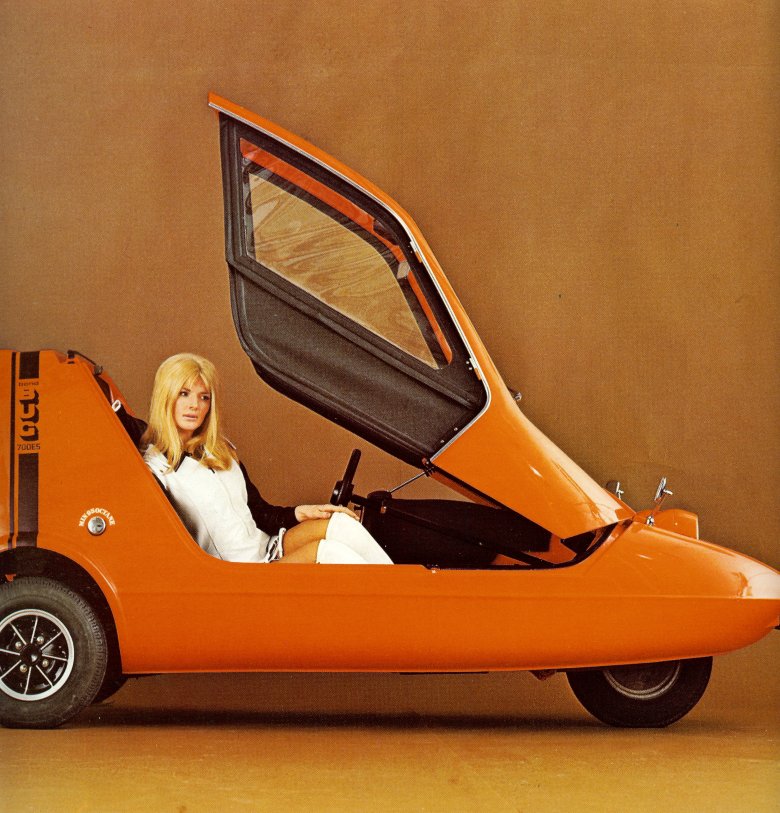
- I think, after much searching, I've found the true successor to the slightly loopy Bond Bug of the Seventies.
- The Citroen DS3 Racing, which is one of my favourite cars of last year fitted with an enormous turbocharger, an absolute blast to drive. So much so that one of the other journalists crashed it.
But the real star of the day, unbelievably, was the Rover 200 I'd used to get there. Sure, it doesn't have the polish, the precision or the punch of any of the new cars I drove but it didn't complain once, munching up hundreds of motorway miles quietly and comfortably.
I'd set off from Southport at 4.30am, snaked through traffic for hours on end in Bedfordshire and covered more than 400 miles, but when I finally rolled up at 11 'o' clock last night I was unruffled, relaxed and full of praise for the Rover. On a day where I'd had all sorts of shiny new cars at my disposal, it was a comfy cruiser which impressed endlessly.
Not bad for a car that cost £300.
Wednesday, 25 May 2011
Would you buy an electric car if it sounded like a Ferrari?

IT'S the question that's on the mind of every motoring enthusiast. What noise should electric cars make?
This, I'm sure, has been occupying your every waking moment, and probably some of the ones where you haven't been awake. No, I wasn't aware it was a problem either but as it's big enough an issue to make it onto the BBC News, it's probably worth probing into further. Apparently, electric cars need noise so they don't silently run down pedestrians who didn't hear them coming.
Only they're not silent, are they? Anyone who's ever travelled on a Virgin Pendelino train with a hangover will know that electric motors are actually things that shriek when you put your foot down. The electric cars I've been in, thankfully, are a lot quieter, but in their bid to rid the roads of engine clatter they've eliminated the sounds that pedestrians, cyclists and guide dogs alike are trained to recognise. Electric cars, the experts have decided, need to make a noise to save all of these people from a nasty accident. But which?
Among the noises tried out by some academic types at Warwick University include what sounds like the two-stroke clatter of a misfiring moped, some soundbytes from a bad Fifties B-Movie and some ambient white noise I'm sure they've nicked from Brian Eno's back catalogue. But they're missing a valuable opportuity. If you've got make the noise, why not have some fun?
You could, for instance, get your car to play something by N-Dubz or the Black Eyed Peas, but then you run the risk of nobody wanting to travel with you out of sheer embarrassement.
Classical's out too, because while something like Elgar's Nimrod would sound splendid in isolation, I imagine a thousand works from history's greatest composers played simultaneously in a busy city centre would like someone trying to slowly kill you with a violin. So no.
Personally, I like the idea of taking advantage of accoustics nicked straight from the automotive world, and bringing engine noises which sound nice - no, I haven't gone mad - to our electric cars.
With everything from the chilling roar of a Porsche flat six, through the burbly woofle of a Rover V8 right up to the full-throated Pavarotti howl of an Italian supercar, there's plenty to choose from. Better still, you could just press a button on the dashboard if you get bored of it.
An electric car which sounds like an old Ferrari when you start it up? Admit it, you know you want one.
Labels:
electric,
ferrari,
motoring,
sports car
Wednesday, 13 April 2011
The clue for cool car names comes from an unexpected source

“SOME of these eco cars have got awful names, haven't they?”
That was what one our subeditors at The Champion asked me after reading a short piece in last week's edition on the Ford Focus Econetic, the greener, leaner version of the Blue Oval's new big hitter. To be honest, I couldn't agree more.
Check out the news pages of any car magazine these days and chances are you'll be washed away by a stream of BlueMotions, Ecoflexes and Econetics, and that's before you come to electric cars with wet, boring names like Leaf and Zoe.
I've said it before and I'll say it again; the names people come up with for eco-friendly cars - as worthy as the vehicles they end up on might be - are awful.
Don't get me wrong, I don't have it in for electric cars, but their slow sales so far show that most Brits have yet to be convinced, and part of the problem I reckon is the pub scenario of having to tell people what you drive. In the same way I couldn't ever see myself admitting to having a Wind - despite it being a great car, I'll let you make your own jokes up - the chances of me proudly proclaiming ownership of an electric car are slashed significantly if it comes with the wrong name.
So far I've only seen two that actually sound vaguely interesting, but despite having the same source of power in common are actually poles apart. The Chevy Volt sounds like something the star of a dystopian sci-fi film might drive, but my favourite by far is the new battery powered Rolls Royce. Whether you call it by its proper title - Rolls Royce Phantom Electric Experimental - or its 102EX codename, it seems to have a name nicked straight from the world of Cold War comic books and action hero fighter pilots. I couldn't care less what it runs on, because it sounds cool.
Yet it seems the idea of giving racy, evocative names to products more suited to the set of The Good Life isn't anything new, and something else in last week's Champion proves it. Flick back through the classified ads section and you'll see the brilliantly named Ace Rallyman and the Swift Corniche up for sale. Despite conjuring up connotations of power, performance and luxury they're not cars. Or motorbikes. Or speedboats. Nope, you're not even close.
They're caravans.
Labels:
electric,
Ford,
renault,
rolls royce
Wednesday, 26 January 2011
Sorry, Mr Cameron, but £1.30 a litre is just too much
A MAN I interviewed for a piece in last week's Champion was preaching to the converted. His message? That the price you're paying at the pumps has GOT to come down.I've known for ages that the cost of petrol and diesel has been ridiculous bordering on extortionate, but after a friendly natter with Mike Heybourne, a man whose business is getting people to where they want to go, I can't hold my breath on this one any longer. Something's really got to be done about the price of fuel at the moment.
If you're older than, say, ten, you might remember that way back in the year 2000, a band of truckers and cabbies got very cross with the price of diesel, blockaded the nation's fuel depots and swiftly brought the nation to a halt. Their beef was that a litre of diesel cost 85p. Now, a decade on, it's nudging £1.40.
Lots of people I've spoken to reckon it's only a matter of time before the blockades and go-slows are back, but I honestly don't think they'll make much difference ten years later. Those protests, and the ones against the war in Iraq and rises in tuition fees, let Governments know that people were cross. But they still went ahead with their plans anyway.
David Cameron's “fuel stabiliser”, which lowers duty as oil prices go up, and vice versa? I wouldn't hold your breath on this one, especially after Danny Alexander, a fellow member of the Coalition, said the Government wouldn't “sacrifice income willy nilly” to help motorists already being made poorer by a string of cuts they've made elsewhere.
Nor do I think the Government's preferred alternative - the long line of electric cars being launched this year - is any good, partly because the majority of the UK's charging points are in London and partly because electric cars are slow, expensive and stupid. Until I can get in one and drive it to North Wales, like I did with the cars in last week's Champion column, I'll still need a normal car - hybrid or not, they still have to burn things that died millions of years ago - anyway.
A normal car, I'll remind Dave Cameron next time I pass him riding his bike with ministerial Jag in tow, is really expensive to run at £1.30 a litre.
Tuesday, 14 December 2010
Why I'm still not charged up by electric cars
That's right; David Cuts Cameron and his Lib Dem sidekick, Nasty Nick Clegg, actually announced yesterday that they're going to give you a whopping £5,000 off the price of your next car. Naturally, there's a slight snag to this nugget of good news - it has to run on electricity.
When the scheme starts in January, there will be just three cars on sale in British showrooms which run solely on electricity, which admittedly is three more than this time last year. The Mitsubishi iMiev, the the Smart Fortwo electric drive and the Peugeot iOn. Yet as much as I'd like to save the Earth, I'm yet to be convinced electric cars actually work properly yet.
I base this on my limited experience of driving just one electric car, the zero-emissions MINI E which BMW trialled in the South East earlier this year. I've driven and enjoyed the petrol-powered Cooper on a couple of occasions, but the MINI of the volt-powered variety was - and I choose my words carefully - one of the worst cars I've driven this year.
Sure, with all the power available at precisely no revs at all it got off the line like a greyhound, but the engine braking in particular was appalling; one on occasion, I pulled up safely at a roundabout without touching the brakes. It also had no back seats and a range of less than 150 miles and as much as BMW stressed it was an experiment and not a finished product, I really couldn't recommend it.
I've every hope that the similarly electric Nissan Leaf, which has just been voted European Car of the Year, and Citroen's C-Zero, which has just achieved the not-at-all-impressive feat of being the first car to successfully use the Eurotunnel, prove better buys. But there's still one real price you'll have to pay, and that's the price itself.
With the iMiev - a tiny city car - on sale at £24,000 and the Leaf due to cost about the same when it eventually goes on sale, I just can't see why you'd pay the price of a 3 Series or Golf GTi for a tiny and not terribly inspiring hatchback just because it runs on electricity.
I can't wait to be proven wrong, of course, but at the end of 2010 and even with the temptation of a tasty £5,000 discount, I just can't get charged up about electric cars yet.
Labels:
citroen,
electric,
mitsubishi,
motoring,
nissan
Subscribe to:
Posts (Atom)